Home has become the centre of everything: wellbeing, creativity, family, entertaining - and increasingly, a work space on top of everything else. In 2026, shoppers aren’t just buying products for a room. They’re investing in a way of living, and they expect ecommerce experiences to feel as considered as the items themselves.
Drawing on market signals and the 2026 priorities shared by ecommerce managers across the sector, here are the five trends most likely to define what “great” looks like in home, living and garden ecommerce this year.
1. Total-cost transparency becomes a conversion lever, not an ops detail
If 2025 was about managing pressure on margins, 2026 is about removing friction that quietly kills conversion. Few things erode trust faster than surprise charges and unclear delivery expectations - especially for high-consideration home purchases and international orders.
That’s why we’re seeing a renewed focus on “landed cost” clarity: duties, taxes and fees presented upfront so customers know the true total before they commit. Shopify has been investing here, including capabilities to calculate and collect duties/import taxes at checkout to reduce delivery-time surprises.
This also extends to compliance-led journeys. Robert Welch’s 2025 challenge around restricted products (kitchen knives), mandatory age verification, and named-day delivery reflects a wider truth for the category: the checkout and delivery experience is now part of brand value. In 2026, brands that turn complexity into clarity will keep more customers on the path to purchase.
2. “Homes with personality” go mainstream - and ecommerce must merchandise the mood
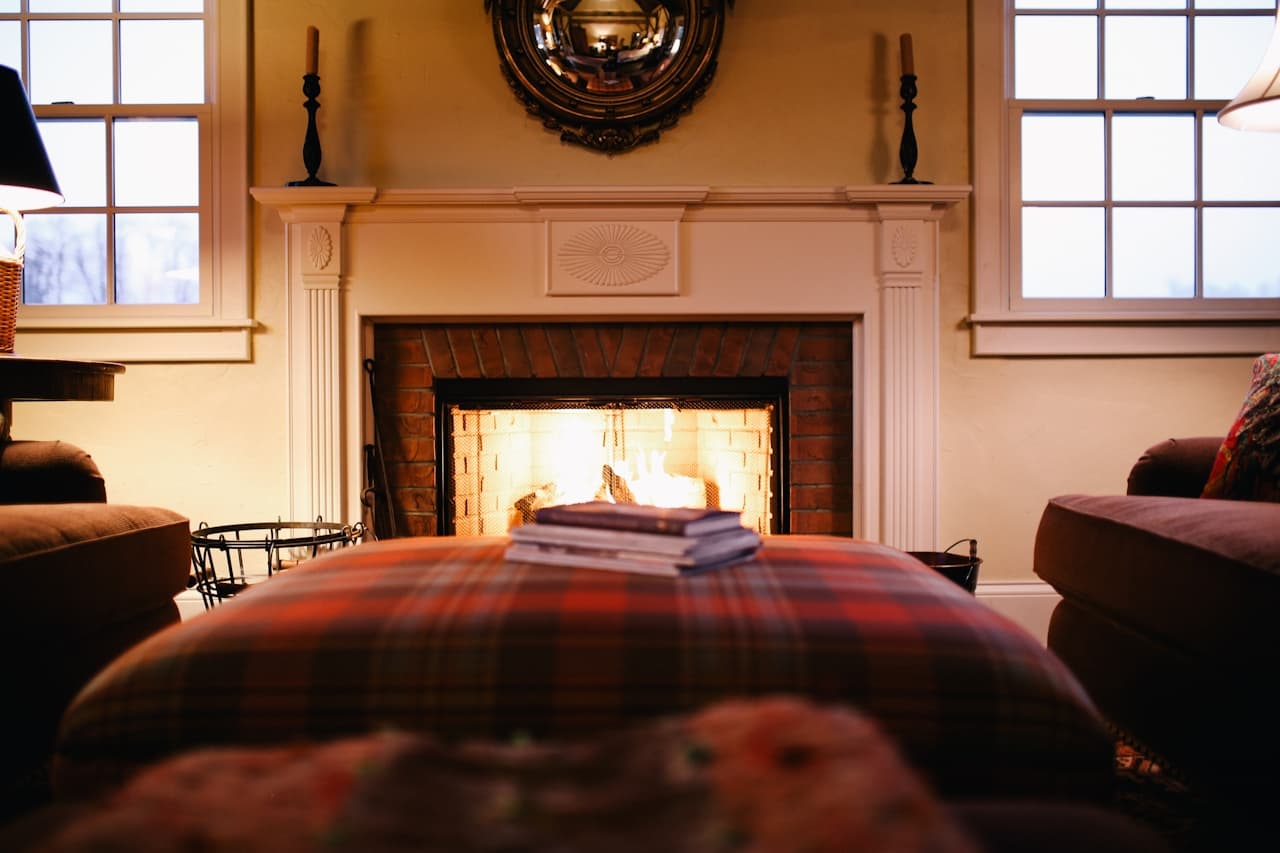
House & Garden’s interior design forecast for 2026 points to a clear shift in mood: a collective desire to slow down, simplify, and create spaces that feel calmer, more tactile and more emotionally grounding. Colour is central to this evolution. Blue, in all its forms, is making a confident returnparticularly deeper, moodier shades like navy, teal and inky cobalt. Paint brands such - as Dulux and Mylands have called out rich blues and blue-greens as defining tones for the year ahead, often paired with warm woods and earthy browns. Alongside colour, there’s a noticeable move toward quieter, more understated spaces. Rather than bold maximalism, interiors are becoming tonal and textured - layered with slubby linens, small-scale prints, mosaic tiles and handcrafted textiles that reward close attention rather than demanding it.
For home and living brands, this signals an important shift in how products should be presented online. Shoppers are no longer chasing fast trends; they’re investing in atmosphere, craft and longevity. Ecommerce experiences that foreground texture, materiality and story - rather than just product specs - will resonate far more strongly with consumers seeking homes that feel restorative, personal and timeless in 2026.
For home and living brands, the ecommerce implication is big: customers aren’t just searching “sofa” or “wallpaper.” They’re searching for a feeling. Brands like Oliver Bonas have long understood this - selling a worldview, not a single product - while Photowall’s appetite for style-led discovery points to the opportunity for richer “shop the look” journeys, editorial curation and room-based navigation that makes personality shoppable.

oliverbonas.com, 2025
3. The wellness home evolves into the restorative home
Wellness is no longer limited to candles and calm colour palettes. In 2026, it’s shaping layout decisions, material choices, and the products people prioritise.
For ecommerce teams, this changes what content and merchandising need to do. It’s not enough to show a product; you need to show the ritual - how it supports decompression, sleep, focus, recovery. Sofa Club’s observation that customers are more considered and research-heavy maps neatly onto this: shoppers want reassurance, dimensions, reviews, delivery clarity and returns confidence because they’re investing in comfort as a form of wellbeing.
The winners in 2026 will connect inspiration to conversion: calming content, sensory storytelling, and confidence-building detail that helps customers choose without needing a showroom visit.
4. B2B Growth Is Being Built Inside DTC Platforms
For many home and living brands, 2026 growth is increasingly coming from B2B audiences - interior designers, corporate buyers, hospitality partners and trade customers - but not through entirely separate ecommerce ecosystems.
Survey responses from home and living brands show a clear shift toward consolidating B2B and B2C journeys within the same platform. House of Hackney spoke about the challenge of developing distinct journeys for B2B versus B2C customers, while The Conran Shop highlighted efforts to identify corporate orders within DTC flows and move those relationships into dedicated B2B journeys.
This convergence is driving demand for flexible ecommerce architectures: role-based pricing, tailored catalogues, VAT handling, invoicing and trade-specific content - all delivered within a single, scalable platform. In 2026, the most effective home and living brands won’t treat B2B as a bolt-on, but as a core growth engine embedded directly into their DTC experience.
5. Retention-first growth and smarter personalisation replace more ad spend
Across our home and garden survey, one thing became clear in this space: acquisition is tougher, CPCs are higher, consumers are cautious, and brands are shifting energy into retention and lifetime value. Robert Welch’s work on welcome flows and post-purchase journeys, and Sofa Club’s emphasis on reassurance, content and subscriptions reflect a wider recalibration: 2026 growth is being built after checkout, not just before it.
What’s changed is how personalisation is being approached. It’s moving from broad segments to behaviour-led journeys powered by better first-party data: smarter recommendations, category-based audiences, and messaging that reflects intent. Meanwhile, teams are under pressure to adopt AI in a way that actually improves speed and decision-making - whether that’s content scaling (as The Conran Shop described with product description workflows), operational automation, or discovery experiences that feel more like guided selling than search bars.
The most successful brands will treat AI as an enabler of craft, not a replacement for it: faster iteration, better insight, and more relevant experiences - without losing the human taste that makes home brands distinctive.
What this means for 2026 ecommerce teams
If 2025 was about staying resilient, 2026 is about designing experiences that earn trust: clear total costs, confident delivery, expressive inspiration, climate-smart outdoor living, and retention journeys that build real customer relationships.
At Unified, we’ve helped home and design-led brands including The Conran Shop, House of Hackney, Chaplins, Flying Tiger, LS International and Ehrman Tapestry modernise ecommerce platforms and customer journeys - balancing brand world-building with performance and scalability.
Planning your 2026 roadmap? Let’s turn these trends into a strategy that drives growth. Get in touch to book a discovery call.

I look after Unified's overarching marketing strategy and keep our marketing engine running with fresh content, speaking opportunities, award submissions and great partnerships.