


An experienced headless CMS development team, in-house
A multidisciplinary team of developers, designers and ecommerce specialists creating scalable headless platforms around the needs of your customers, content teams and technology stack.
We work with businesses moving away from restrictive legacy platforms, launching across multiple markets or channels, and building experiences that need more flexibility than a traditional CMS can provide. Storyblok is our primary platform, chosen for its flexible content architecture, strong developer experience and visual editing capabilities that give content teams greater control. We host and deliver headless applications on Vercel, including Unified's own website.

In-house experts
A multi-disciplinary team of designers, developers and strategists.

Storyblok partner
Our primary platform, chosen for content architecture and visual editing.

Examples of our work
Storyblok live for Rab, Partridge Jewellers and Fixfast.

Frontend and hosting
Frontends built and hosted on Vercel, including our own website.
Headless CMS development
A flexible CMS architecture designed around the way your business creates and delivers digital experiences.

Headless CMS migration
Move away from a legacy or restrictive CMS without leaving valuable content, search visibility or operational knowledge behind. We audit your existing content and functionality, define the new content model, plan migration requirements and carefully transfer content into the new platform.
Website design and UX
Headless architecture removes many traditional template restrictions, giving brands far greater control over the customer-facing experience. Our designers and developers collaborate from the beginning to create responsive, accessible and high-performing interfaces.

Content modelling and editorial workflows
A successful headless implementation starts with getting the content structure right. We design reusable content models, components, permissions, workflows and preview experiences around the way your organisation publishes content.
API and systems integrations
We connect your CMS with ecommerce platforms, PIMs, CRMs, search services, marketing platforms, localisation tools and bespoke business systems, creating reliable data flows without locking your frontend to any one technology.
Frontend development and hosting
Going headless means the frontend and its hosting become your responsibility rather than the CMS vendor's. We build and host on Vercel, covering rendering strategy, caching, preview environments, build pipelines and Core Web Vitals, so the performance benefit of headless actually materialises.

Ongoing support and optimisation
We provide ongoing development, monitoring, platform upgrades, integration support, performance improvements and feature development, giving your team access to experienced headless developers as requirements evolve.
Why choose Unified as your headless CMS agency
01
We start with your requirements. Storyblok is our primary platform and we are a Storyblok partner, but we have worked across other headless technologies, which lets us assess editor experience, scalability, localisation, integrations, governance and total cost before recommending an approach.
02
Headless should remove constraints for developers without creating new ones for content teams. We consider editing, previews, reusable components, workflows and permissions alongside APIs, frontend frameworks and technical architecture. Rab's global teams run their own campaigns and landing pages now, without raising a ticket.
03
Content structures, URLs, metadata, redirects, previews and integrations can all be affected. We plan these requirements before development and involve SEO, analytics and content specialists where needed to protect existing performance.
04
Our developers build integrations across ecommerce, CRM, PIM, marketing and operational platforms. For Fixfast we connected Storyblok alongside Akeneo and an ERP, so a very large technical catalogue and the content around it stay in step.
05
During discovery, we assess whether the additional flexibility justifies the architecture, development and ongoing ownership required. If a simpler approach better meets your requirements, we will say so.
06
Headless platforms need to evolve as the business does. Our ongoing support gives your team access to developers, designers, SEO specialists and digital consultants who already understand the architecture and can keep improving it after launch.
Headless builds we're proud of


Rab's marketing teams could not publish a campaign without a developer, and the storefront was slow with 70% of traffic on mobile. We moved content onto Storyblok alongside a Hyvä frontend rebuild, with reusable components and live preview so teams in different regions could work independently. They now run their own campaigns and landing pages.
Mobile first interaction
4.6s to 1.1s
Paid search conversions
+450%


New Zealand's oldest jeweller needed editorial storytelling alongside a Magento upgrade, with brand partner agreements forcing some product pages to stay on Luma. Storyblok gave the content team a layer they controlled across a hybrid frontend, with Algolia for search, shop-the-image and appointment booking for nine stores.
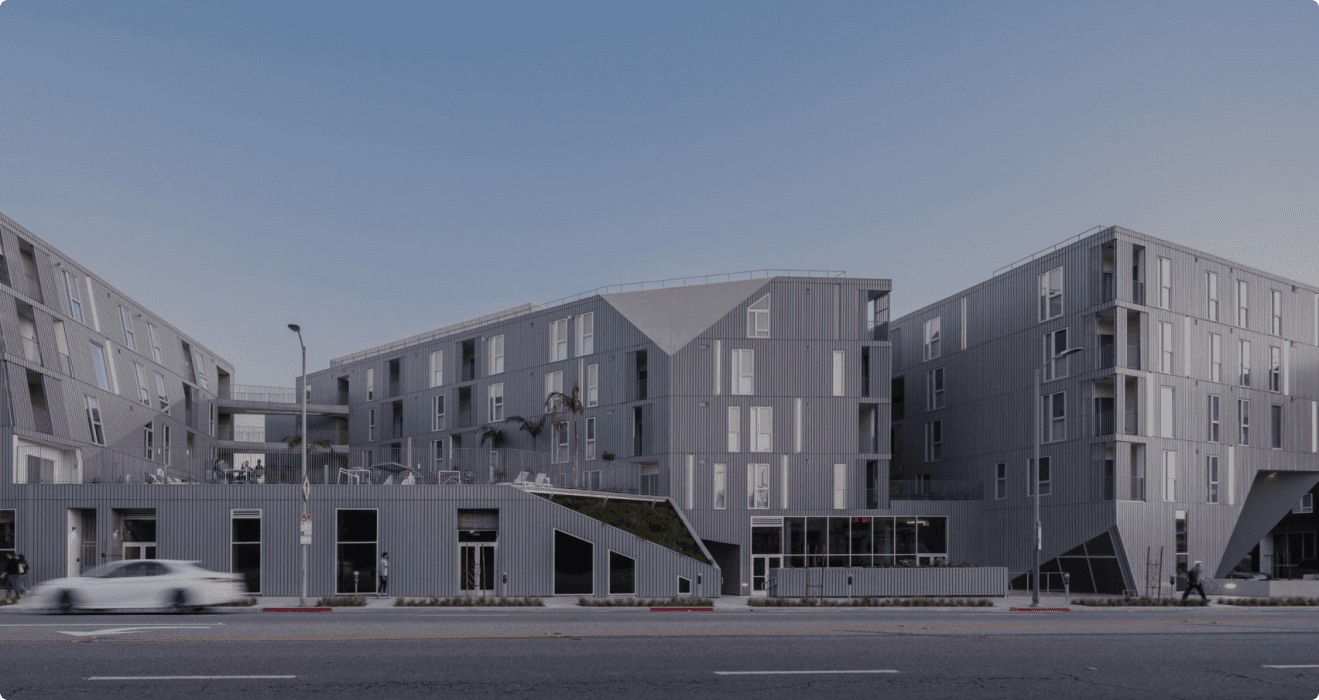

Fixfast supply the building trade from a very large technical catalogue. Product data lives in Akeneo and flows from the ERP, while Storyblok handles the content around it. Keeping those layers separate means the marketing team can publish without touching product data, and the catalogue can change without breaking the site.
Organic search
+57%
Site users
+39%
Our headless CMS process
Discovery
Business goals, content requirements, editorial workflows, customer journeys and existing technology.
Strategy
CMS selection, content modelling, frontend architecture, integration planning and migration requirements.
Design
User experience, component design, frontend development, CMS configuration and API integrations.
Migrate
Content migration, editor testing, SEO validation, performance testing, training and controlled deployment.
Support
Ongoing development, technical support, performance improvements and continued platform evolution.
Discovery
Business goals, content requirements, editorial workflows, customer journeys and existing technology.
Strategy
CMS selection, content modelling, frontend architecture, integration planning and migration requirements.
Design
User experience, component design, frontend development, CMS configuration and API integrations.
Migrate
Content migration, editor testing, SEO validation, performance testing, training and controlled deployment.
Support
Ongoing development, technical support, performance improvements and continued platform evolution.
Headless CMS questions we get asked
What is a headless CMS?
A headless CMS separates the system used to manage content from the frontend used to present it to customers. Content is stored independently and delivered through APIs, allowing the same CMS to power websites, apps and other digital experiences while developers have greater freedom over the technology used for each frontend.
What is the difference between a headless CMS and a traditional CMS?
A traditional CMS usually combines content management, templates and frontend presentation within the same platform. A headless CMS separates these layers. Content teams manage structured content in the CMS while developers build the customer-facing experience independently and retrieve that content through APIs.
When should we consider moving to a headless CMS?
Headless is worth considering when your existing CMS is restricting design or development, marketers rely heavily on developers to publish content, you need to manage multiple sites or markets, or content needs to appear across several digital channels. It can also suit businesses with complex integration requirements or those moving towards a composable technology architecture.
Is a headless CMS right for every business?
No. For straightforward websites with limited integration, content or scalability requirements, a traditional CMS may provide everything the business needs with less complexity. We assess the commercial and technical case during discovery before recommending a headless approach.
Which headless CMS do you recommend?
Storyblok is our primary platform and we are a Storyblok partner. We chose it for its flexible content architecture, strong developer experience and visual editing, which keeps content teams independent of developers for everyday publishing. We have also delivered on other headless platforms, and we assess editor experience, scalability, localisation, integrations, governance and total cost of ownership before recommending one.
What are the main benefits of a headless CMS?
The main benefits can include greater frontend flexibility, reusable structured content, easier omnichannel delivery, stronger integration capabilities and greater freedom to change parts of the technology stack independently. The exact value depends on your organisation, content requirements and existing technology.
Will marketers need developers to update content?
They should not need to for everyday publishing if the platform has been designed correctly. We create reusable components, editorial workflows and preview functionality that allow marketing and content teams to create, edit and publish within agreed parameters without raising a development request each time. For Rab, that means global teams now run their own campaigns and landing pages.
Is a headless CMS good for SEO?
Yes, but SEO needs to be considered when the frontend is designed and built. A headless architecture gives developers control over areas such as HTML output, metadata, structured data, internal linking and performance. However, these capabilities must be implemented deliberately rather than relying on functionality supplied automatically by a traditional CMS.
How do you protect SEO when migrating to a headless CMS?
Our SEO and development teams plan migration requirements together. This can include retaining valuable URLs, creating redirect mappings, migrating metadata, maintaining internal links, reproducing structured data, controlling indexation and validating the new frontend before launch. We then monitor performance once the new platform is live.
Can a headless CMS support multiple countries and languages?
Yes. We can design content structures, localisation workflows, permissions and frontend logic around multiple regions and languages. The appropriate setup depends on whether markets share content, require local variations or operate independently.
How secure is a headless CMS?
Separating the CMS from the public-facing frontend can reduce some traditional attack surfaces, but security depends on the complete architecture. We consider authentication, API access, permissions, hosting, integrations and data flows when designing a solution and work with the security capabilities provided by the selected technologies.
Does going headless mean replacing our entire technology stack?
Not necessarily. A headless CMS can often integrate with existing ecommerce, CRM, PIM and marketing platforms. One of the advantages of a composable approach is being able to replace or introduce technologies independently rather than changing everything at once.
What happens after the headless CMS launches?
We provide ongoing technical support and development after launch. This can include monitoring, platform updates, new components, integrations, performance improvements, changes to content models and support for your internal development and marketing teams.