The Luxury and jewellery sector is undergoing a profound shift. Once defined by exclusivity, heritage and in-store theatre, the sector is now shaped equally by digital sophistication, ethical responsibility and a global customer base who expect seamless premium experiences online. In 2026, the UK luxury and jewellery market sits at the crossroads of craftsmanship and innovation. Consumers want the story behind a piece. They want transparency that feels trustworthy, technology that feels effortless, and personalisation that feels genuinely human.
Here are the five key trends reshaping luxury and jewellery ecommerce in 2026 - brought to life through both industry-leading UK brands and examples from our clients at Unified.
1. Global localisation redefines cross-border luxury
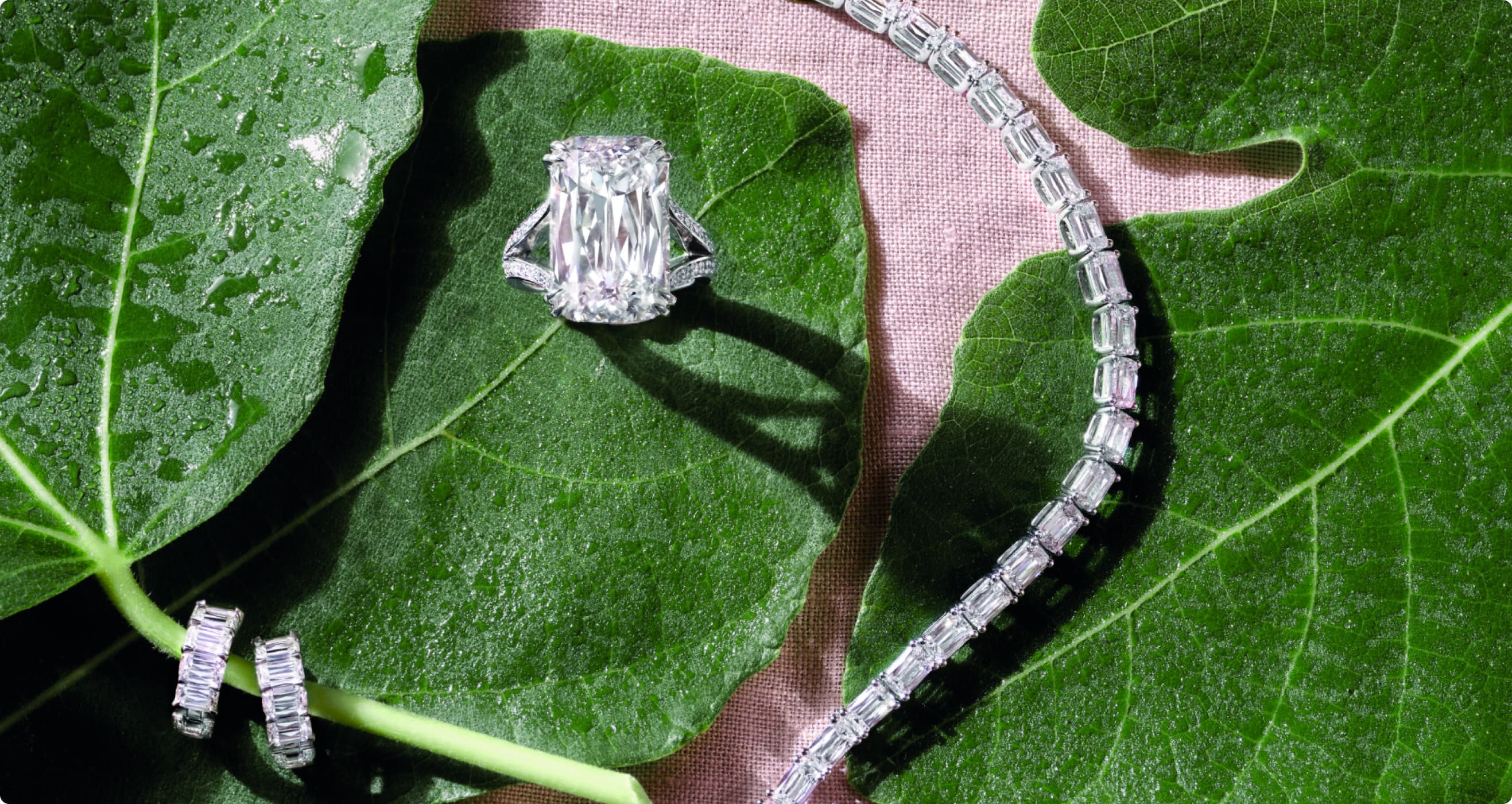
International shoppers have always sought British luxury - but in 2026 they expect the ecommerce experience to be just as refined as the product itself. Global growth now depends on localised experiences: the right currency, the right payment method, transparent duties, predictable fulfilment, and messaging tailored to where a customer is shopping from.This shift has opened the world to niche luxury houses. Langerman Diamonds, for example -renowned for ethically sourced natural coloured diamonds - has seen rising demand from collectors in Asia, the Middle East and the US. Their global appeal is strengthened by an ecommerce experience that allows international buyers to shop with confidence.
On the fashion side, Burberry continues to prove that digital-first luxury can drive worldwide momentum when paired with a frictionless global checkout experience.
The takeaway for 2026 is clear: Luxury is global - but only brands that feel local everywhere will win internationally.
2. Founder-led storytelling becomes the heart of luxury identity
Modern luxury buyers - especially Millennials and Gen Z - want more than craftsmanship; they want connection. They are drawn to houses where the founder’s vision, values and creative journey are woven into every touchpoint. A notable example is Shaun Leane, whose brand is built on a deeply personal narrative that spans traditional Hatton Garden training, groundbreaking avant-garde design, and an iconic partnership with Alexander McQueen. His story gives emotional weight to every collection and reinforces the artistic value of each piece.
Similarly, Alex Monroe, a Unified client, has cultivated a loyal global audience by grounding his brand in nature, nostalgia and craft. His Suffolk childhood, love of wildlife and hands-on making process transform jewellery into stories customers can wear.
Storytelling also plays a role for luxury heritage jewellers. Boodles, another Unified client, continues to shine by weaving history, family and British rarity into their collections - reminding customers that luxury is as much about meaning as it is about material.
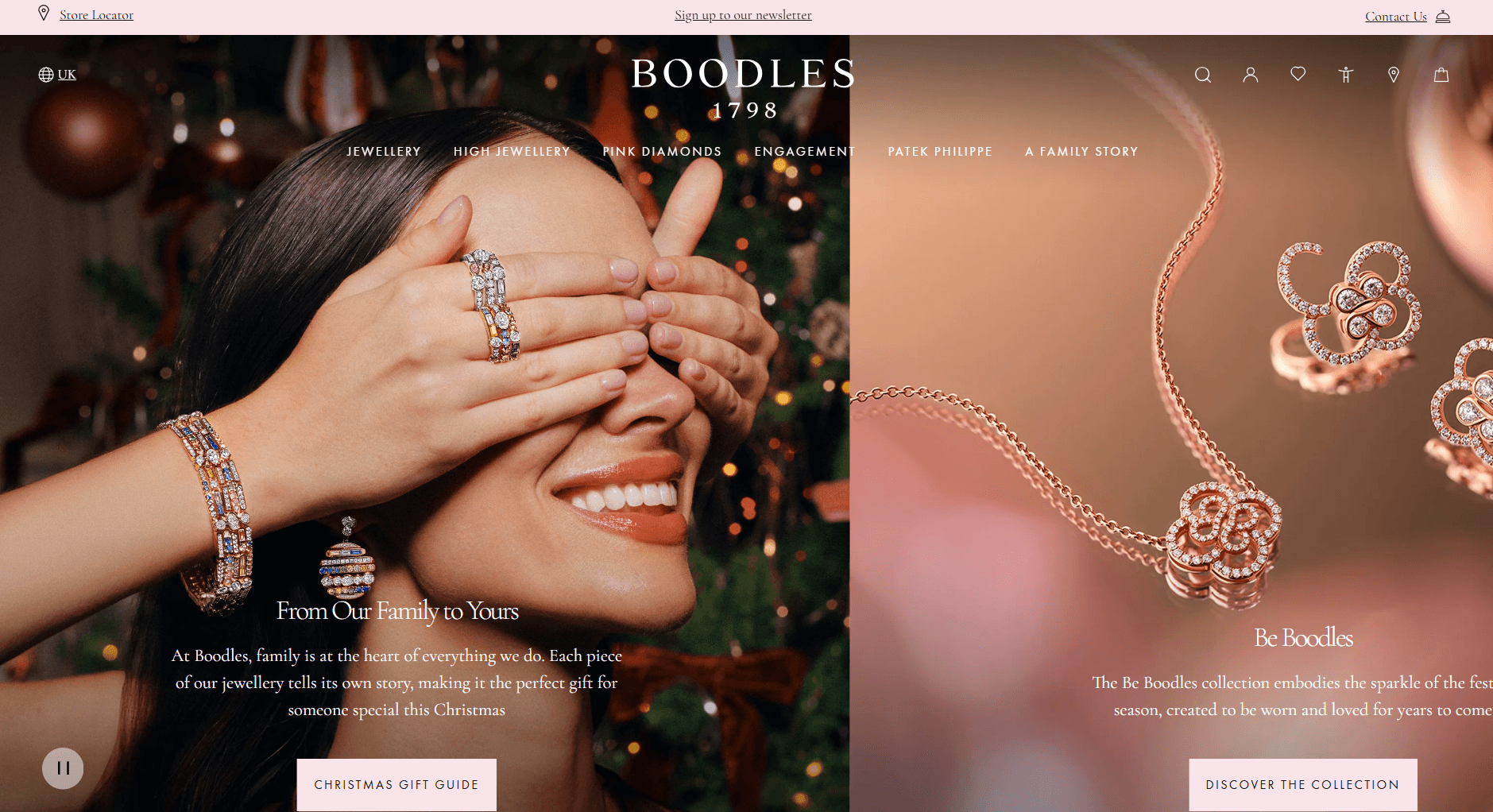
Boodles, 2025.
3. Digital immersion becomes luxury’s new showroom
As luxury shoppers increasingly begin - and often complete - their journey online, digital environments must now deliver the intimacy, expertise and inspiration once reserved for boutique floors. Across the UK, brands in this space are raising the bar:
Finnies, one of Scotland’s most established jewellers and a Unified client, modernised its ecommerce experience with House of Finnies, a digital hub offering watch guides, care tutorials and educational content that mirrors in-store expertise.
Bulgari has shown how powerful 3D and AR tools can be, enabling customers to explore pieces with near-tactile realism.
Luxury watch retailers, such as Chopard and their Bella Hadid campaign, are using cinematic storytelling and interactive product tours to replicate the romance of physically handling a timepiece.
Today, shoppers expect to try on rings virtually, inspect diamond cuts in 360°, or learn the craftsmanship behind a collection before committing. Digital content is not replacing the luxury sales associate - but it is becoming their online counterpart. In 2026, the brands leading the sector treat ecommerce as an experience, not a catalogue.
4. Ethical luxury, traceability & recommerce rise in priority
Conscious consumption has reached the luxury sector with full force. Modern high-end buyers scrutinise provenance, materials, environmental impact and labour ethics as closely as they admire design. UK leaders are showing what responsible luxury can look like:
Langerman Diamonds is gaining global trust through full transparency on the origin and ethical sourcing of its coloured diamonds.
Monica Vinader continues to champion recycled metals and transparent manufacturing.
Stella McCartney remains the benchmark for ethical fashion, proving sustainability and luxury can coexist at scale.
Recommerce is also reshaping the jewellery and watch sectors. Certified pre-owned markets are booming, with luxury houses legitimising the space. Rolex’s Certified Pre-Owned programme has made authenticated resale aspirational, not secondary. For customers, recommerce offers investment value, sustainability, and access to rare or discontinued pieces. For brands, it strengthens lifecycle ownership and customer loyalty. Ethical clarity is no longer optional - it is a prerequisite for trust.
5. Hyper-personalisation becomes the new VIP standard
Luxury has always been about personalisation, but now technology enables that level of service across every digital and physical interaction. Mobile POS systems, connected CRM platforms and clienteling tools allow associates to anticipate needs with precision: ring size, style preferences, past purchases, wishlist items and even milestones like anniversaries.
This is especially transformative for brands with loyal collector communities. Our own jewellery clients, Boodles and Alex Monroe, both benefit from deeper customer insight thanks to their Shopify tech stacks, allowing their teams to curate tailored sales and marketing strategies that enhance the emotional connection to the customer.
What’s Next for luxury ecommerce?
The luxury and jewellery industry is shifting toward a future that is more global, more immersive, more transparent and more personal. UK brands - heritage houses, independent designers, and gemstone specialists alike - are proving that combining tradition with innovation creates extraordinary momentum. Those who embrace these five trends will build deeper loyalty, stronger brand equity, and richer digital experiences that define the next era of luxury retail.
If your brand is ready to elevate its ecommerce strategy or refine its customer experience, explore our best-in-class fine jewellery case studies.

I look after Unified's overarching marketing strategy and keep our marketing engine running with fresh content, speaking opportunities, award submissions and great partnerships.