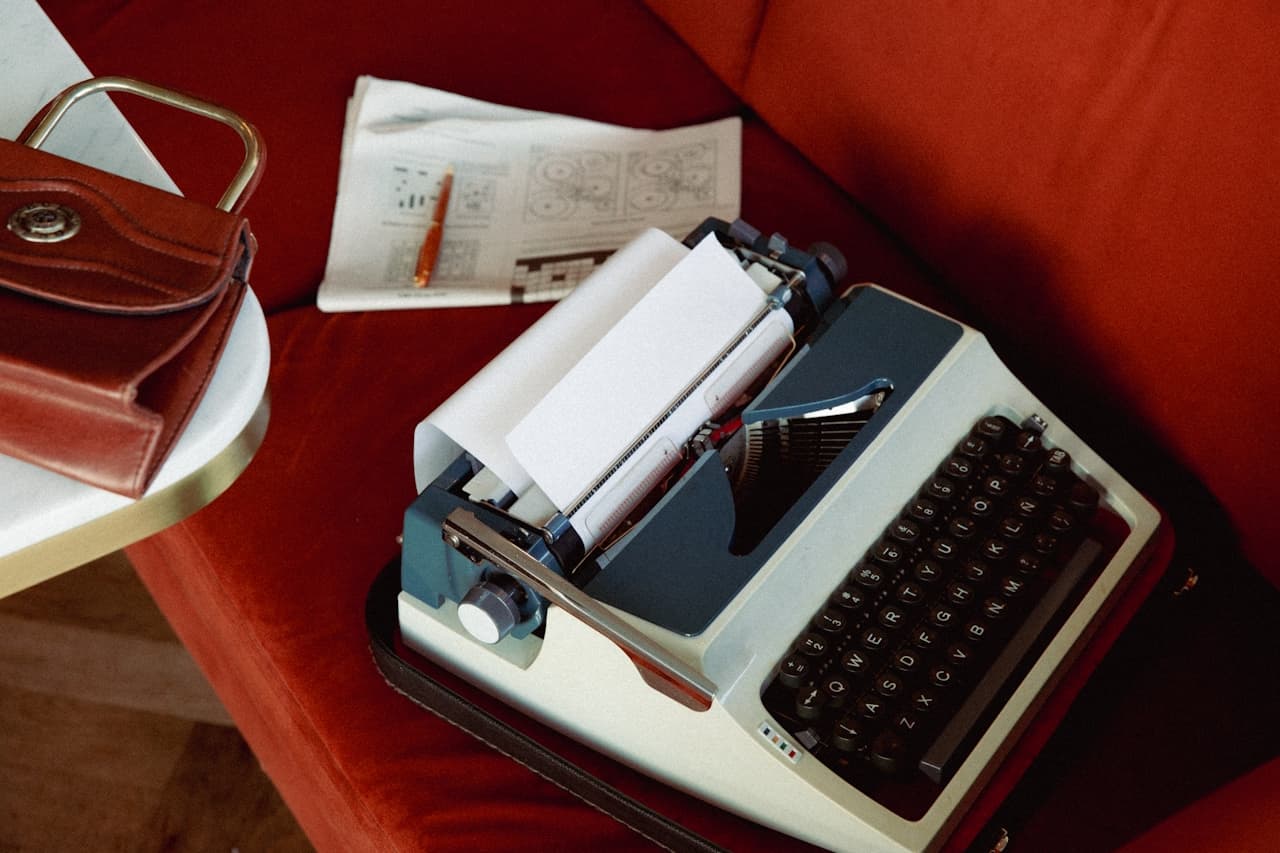
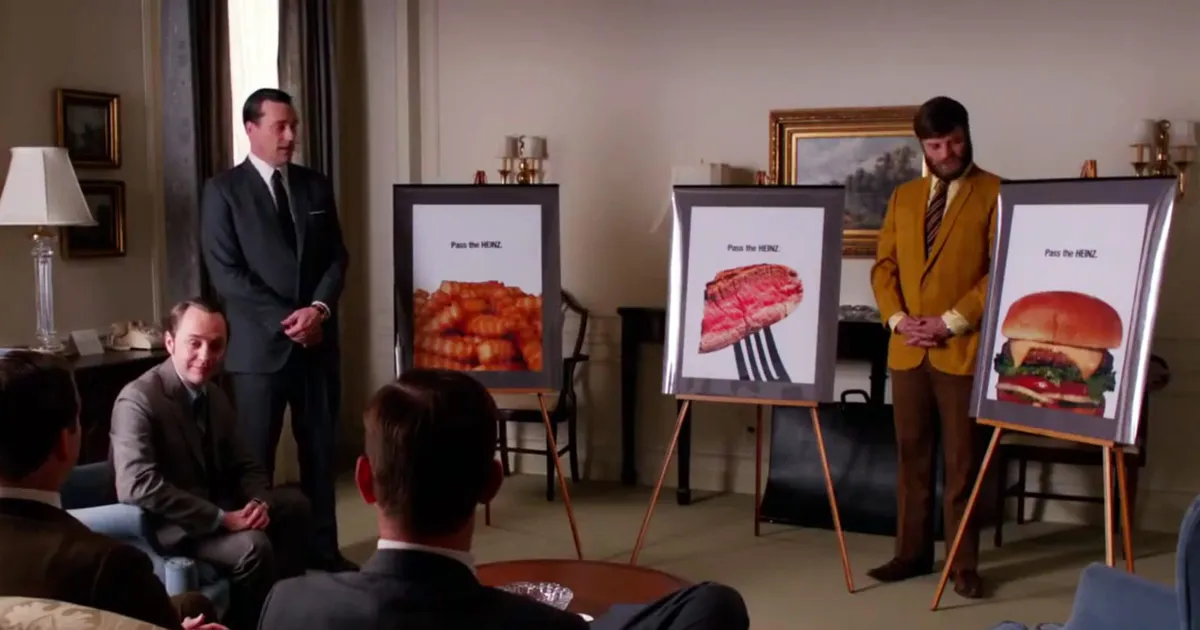
There was a time when advertising creatives gathered around presentation boards with cigarettes in hand and tumblers of whiskey on their desks - if you’ve ever seen Mad Men, you’ll get the picture! Ideas were sketched, argued over, abandoned, and resurrected, all in the pursuit of something that felt just right. Fast forward to 2026, and the idea of hand-drawing a scene from scratch to change one small detail, or writing copy without the help of ChatGPT, feels almost unthinkable.
Advances in technology and AI mean we can now whip up pixel-perfect layouts in minutes, tailor every UI element for maximum efficiency, and even predict which shade of blue is most likely to drive conversions. So why wouldn’t we lean into it? AI is dazzling. It’s like having a clever apprentice who never gets tired, never misses a deadline, and never argues back.
But lately, has anyone else started to feel that many ecommerce homepages are becoming a little too polished, a little too perfect, and a little too “optimised”? It can feel like swimming in a sea of pastel-coloured conformity, unable to remember where you even saw that pair of shoes you liked - because, truthfully, so many online stores are starting to look the same.
It’s as if the future is being shaped by one vast, efficient system that prioritises perfection over personality and standardisation over surprise. Perhaps that’s why younger audiences in particular are beginning to yearn for something more textured and meaningful, and why so many of them are now looking back to the past for inspiration.
When the future started to look like the past
You’ve probably noticed that fashion, music, and even furniture have been on a nostalgia tour recently! Gen Z is embracing Y2K aesthetics - think low-rise jeans, baby tees, and those grainy, pixelated digital cameras - even though many of them weren’t around for that era the first time! And while trends have always had a habit of circling back every couple of decades, this feels different. This isn’t just revival for novelty’s sake; it feels more like a cultural response, driven by a collective longing for a time that seems simpler, slower, and somehow more grounded than the one we’re living in now.
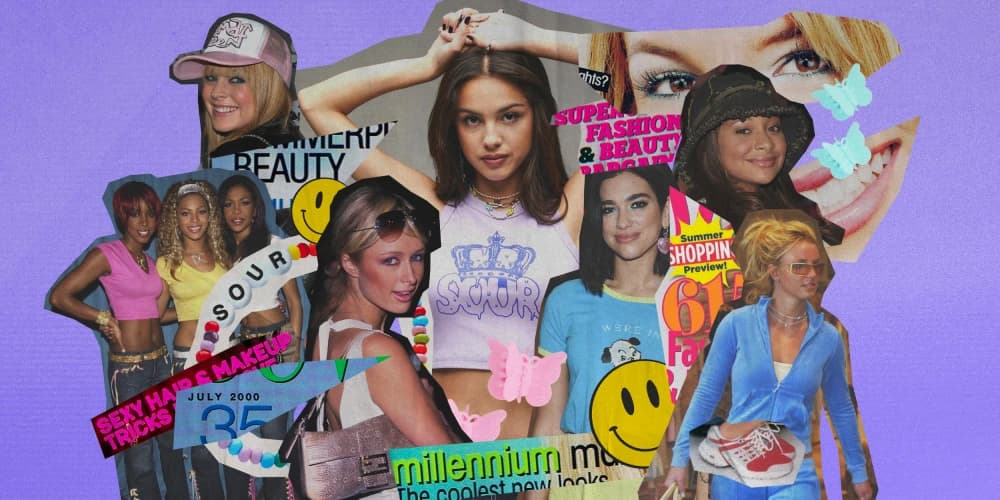
In a world where it’s increasingly difficult to tell where real life ends and social media begins, where content is filtered, enhanced, and now even generated entirely by algorithms, young people in particular are searching for emotional anchor points. They’re gravitating towards things that feel tangible, imperfect, and unmistakably human - reminders that not everything has been optimised, automated, or engineered for engagement.
So rather than defaulting to another perfectly polished, AI-generated homepage, shouldn’t ecommerce brands be thinking about how they can weave in imperfection, personality, and visual storytelling? Shouldn’t ecommerce & UX design be about creating experiences that feel real, distinctive, and emotionally resonant - not merely predicted by data or shaped by best-practice templates?
Brands that have chosen character over conversions
A few ecommerce and DTC brands are executing this balance beautifully, and the reason they stand out is surprisingly simple. They aren’t relying on cookie-cutter homepage templates designed purely to chase clicks. Instead, they use their homepage as a storytelling tool - a way to build a relationship with customers that lasts longer than a single visit.
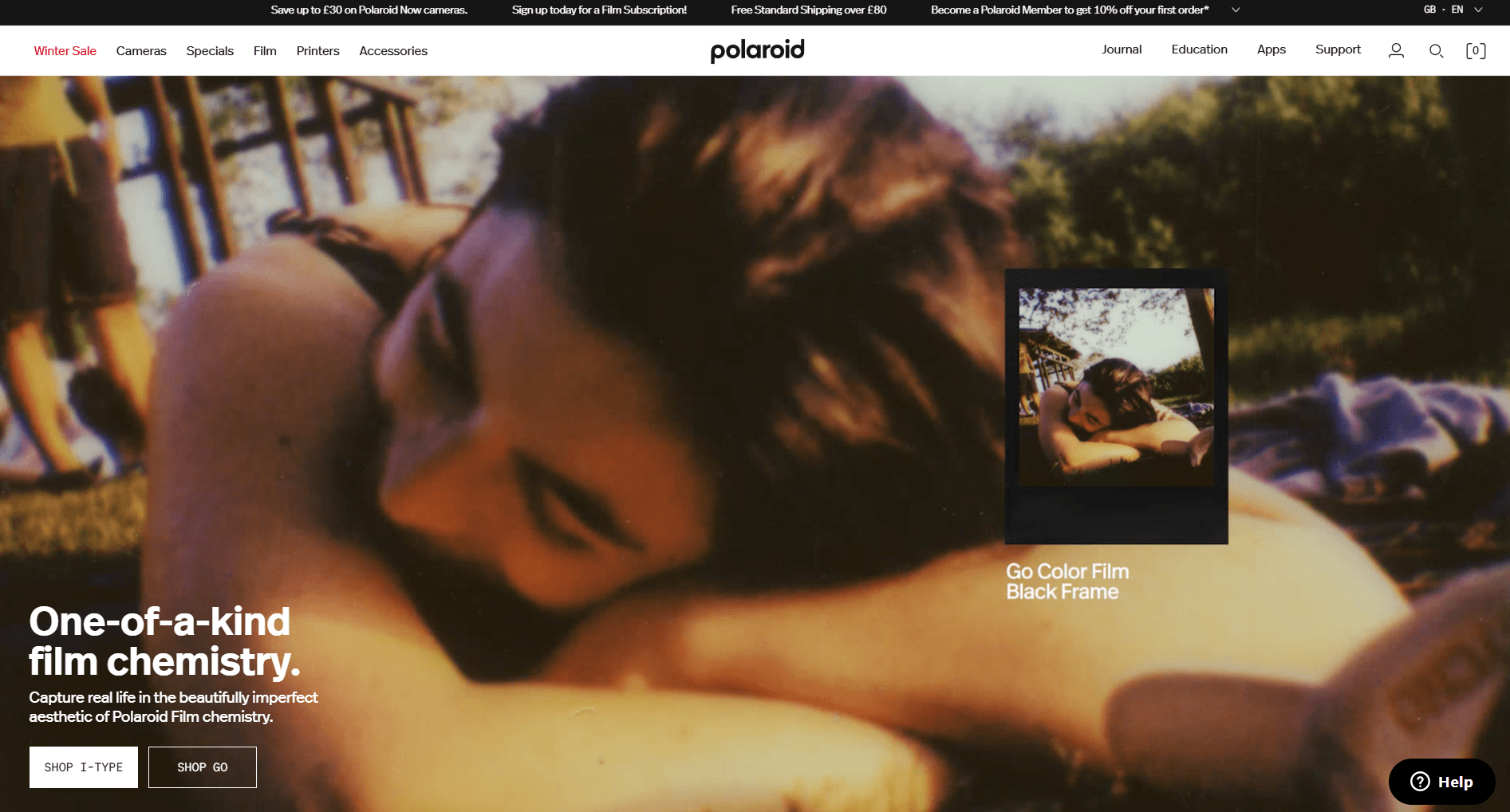
Take Polaroid Originals, for example. Revived from its analogue photography roots, the brand’s online experience isn’t just optimised to sell film and cameras; it gently pulls you back into the sensory joy of photography itself - the click of the shutter, the slow reveal of an image, the small moment of anticipation as a photo develops in your hands. Browsing the site feels less like completing a transaction and more like revisiting a feeling. It’s nostalgia used with intention, deepening emotional connection rather than simply decorating pages with retro references.
AI helps, but it doesn’t truly know
There’s a useful way to think about how AI fits into ecommerce design today. It’s like having a tool that can cut every piece of wood with perfect precision, but doesn’t get to choose which tree you should build your house from. AI excels at generating variations, optimising layouts, and personalising user journeys faster than you can finish your morning brew. But choosing a meaningful direction? Curating a tone that feels human? Resisting the temptation to make every button exactly the same shade of blue because “the data says so”? That still belongs to designers. Those decisions require judgement, cultural awareness, empathy, and instinct - things that can’t be fully automated.
The Sweet Spot: Human creativity + AI execution
AI is the engine. Human creativity is the compass. AI can generate a thousand homepage variations in minutes. But which one reflects your brand’s voice, makes someone smile, and tells a story worth remembering? That’s still human territory. Design in 2026 isn’t a battle between people and machines; it’s a collaboration, where AI handles precision and scale, and humans bring context, emotion, and cultural intuition. Because when everything can be manufactured by algorithm, what truly stands out isn’t perfection - it’s personality.
Let’s build something distinctive together
At Unified, we work at the intersection of strategy, creativity, and technology to help brands stand out in a world of growing sameness. From redesigning ecommerce experiences for brands like Rab, The Conran Shop, and Boodles, to building thoughtful, performance-driven UX from the ground up, we know how to balance innovation with authenticity.
If you’re thinking about how your brand can move beyond templates, lean into its story, and create an experience that genuinely connects with customers, we’d love to talk. Get in touch to explore how our design discovery workshops and UX expertise can help you build something memorable, meaningful, and unmistakably yours.

I look after Unified's overarching marketing strategy and keep our marketing engine running with fresh content, speaking opportunities, award submissions and great partnerships.