One in four shoppers now use AI before they buy. Yet generative AI referrals account for just 0.4% of retail ecommerce visits, according to the 2026 State of Ecommerce report from Similarweb and Statista. The two figures measure different things. Side by side, they show AI shaping buying decisions without sending the click.
For years, ecommerce brands have used familiar metrics to understand how customers find and buy their products. Impressions, clicks, rankings, conversion rates and revenue showed how organic, paid, social and other marketing channels contributed to sales. As more customers research and compare products with AI, that picture is becoming less complete.
The gap is widest for premium brands, where customers spend longer researching and comparing before they buy. Those customers haven't disappeared. The route they take to find you has changed.
How are your customers using AI to find you?
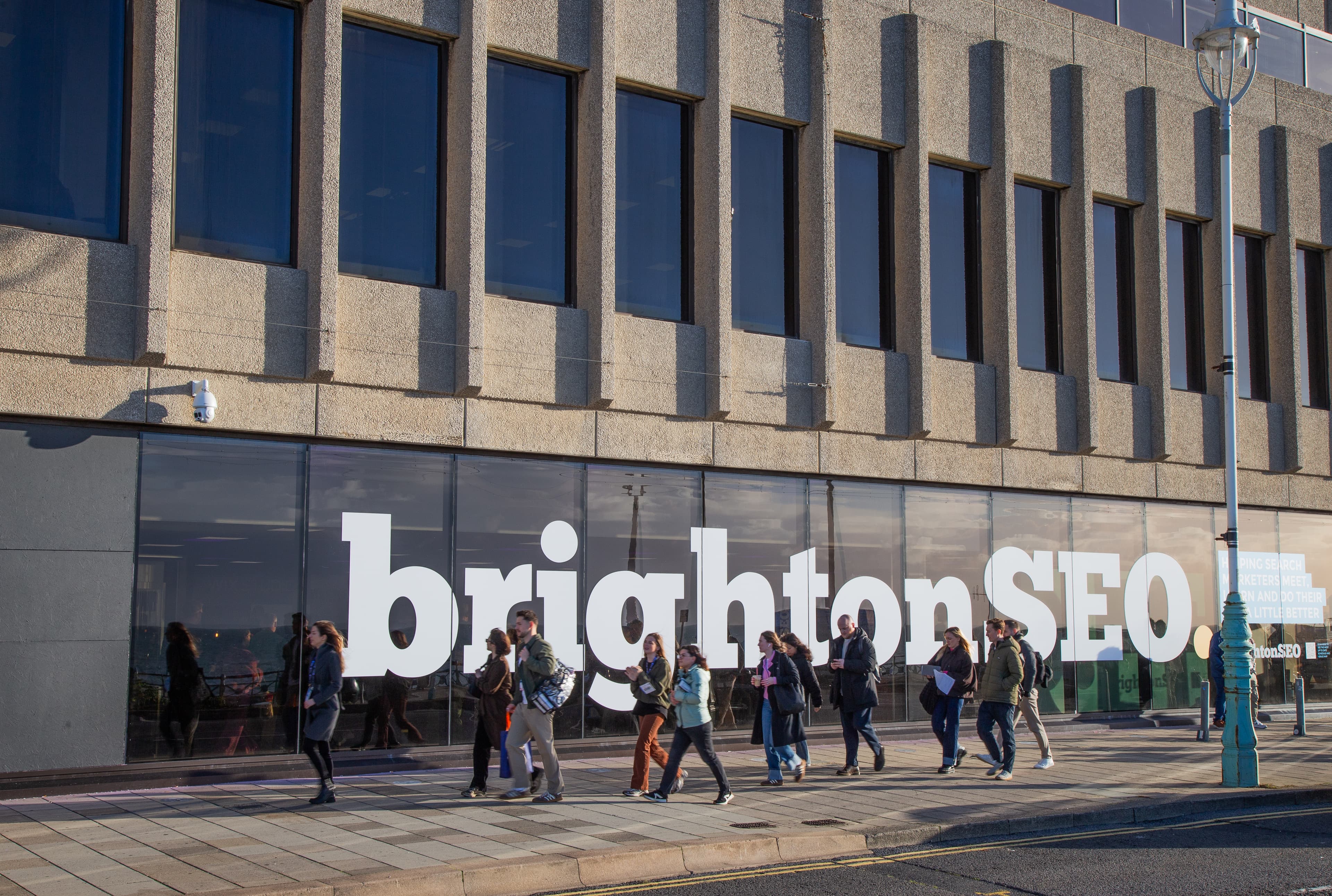
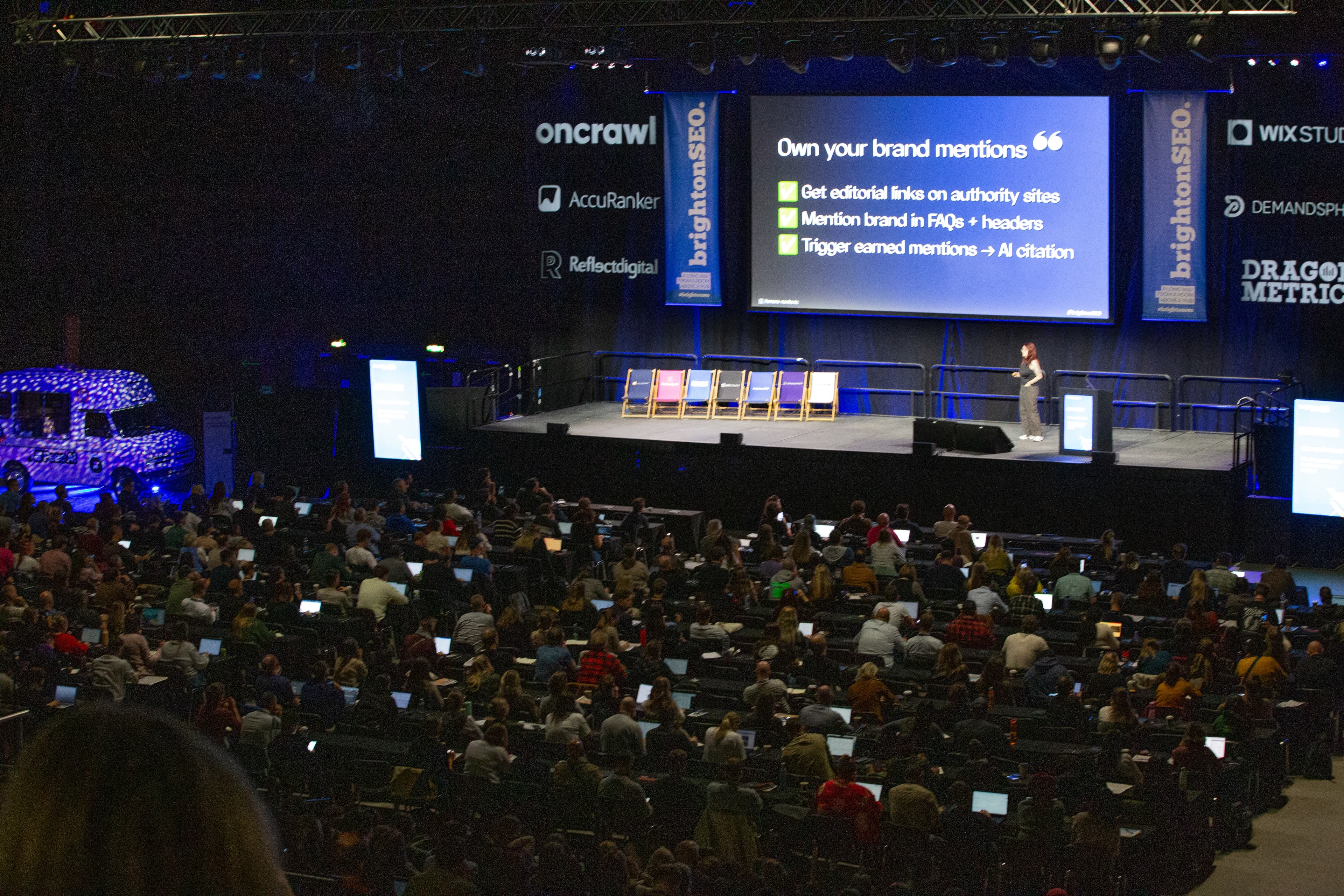
At BrightonSEO this year, Stijn Bergmans of Folio Agency described a growing gap between what brands see in their analytics and how customers actually find them.
Bergmans argued that many companies still put their budget behind whichever channel gets the last click. In his view, measurement and visibility are the two biggest problems companies face, and many don't know they have them.
AI assistants influence purchase decisions long before a customer visits a brand's website. Very little of that influence shows up in reporting.
Take a customer looking for a sofa from a premium furniture brand. They ask ChatGPT for recommendations, and it lists the brand alongside its competitors, so they can compare straight away. Before deciding, they look for social proof on Trustpilot or Reddit. Hours or days later, in a separate session, they search for the brand by name. Their mind is already made up, so they click the first sponsored or organic result they see.
Last-click attribution credits that sale to branded search. The role AI played in the decision is almost invisible.
What does this mean for traditional search?
Search still matters. Google will keep sending a large share of the visits and sales that ecommerce brands rely on, and research from Scrunch shows AI can feed it. Users who received an AI recommendation for a brand they hadn't engaged with before were 182% more likely to search for that brand on Google within the following week, compared with their usual behaviour.
What has changed is the point at which customers reach the search results page. They now move between search engines, AI assistants, social platforms and brand websites as they weigh up their options. By the time they search, they may already have a shortlist, or even a chosen brand.
Google may still deliver the final visit and the sale. It is increasingly where the journey ends, and less often where it begins.
Whatever happened to the listicle?
The content Google serves already shows this shift. A customer researching a purchase used to find 'best of' listicles, comparison articles and buying guides, written by content teams to help brands get discovered. Today, AI assistants and Google's AI Overviews pull that information together themselves. These pages now compete with AI answers that satisfy the customer's first round of research without a click.
Research from Semrush supports this. In a study of more than 600,000 keywords published in July 2026, AI Overview appearances rose by 71% on commercial searches, where customers research and compare. They appeared less often on transactional searches, where customers are ready to buy. Separately, Kevin Indig found in research published by Search Engine Land that listicles held Google's top organic position less often between January and August 2026.
Listicles still have value, but less of it comes from site traffic. Their value now lies in giving AI assistants the information they use to describe and recommend brands. Third-party listicles carry the most weight here. AI assistants draw heavily on independent reviews, comparison sites and forums like Reddit, so a mention in an independent 'best sofas' guide does more than a page on your own site.
Gaps in AI attribution
Tracking clicks from AI assistants is less reliable than it looks. A recent ChatGPT update showed how quickly it can break.
In October 2026, Tomek Rudzki of Peec AI published research on how ChatGPT's linking changed after the release of GPT-6. He analysed the same one million prompts across two periods, 2 to 7 October and 9 to 13 October. The share of ChatGPT answers with direct website links rose from 8 to 10% to 42%.
ChatGPT now places clickable links inside its answers far more often, alongside its usual source citations. For ecommerce brands, that shortens the route from recommendation to website visit. For a time, it also broke how those visits were measured.
ChatGPT links normally carry tracking parameters such as utm_source=chatgpt.com, which let analytics platforms identify visits from ChatGPT. When the new direct links first appeared, many carried no parameters and passed no referral information to the destination website.
Go back to the furniture customer. During that period, they could ask ChatGPT for a recommendation, click a link in its answer and buy in the same session, and Google Analytics would log the sale as direct traffic.
Research published by Profound in October 2026 measured the scale. The share of ChatGPT responses containing at least one tagged source link fell from about 98% to 66%. The fall coincided with the launch of a new interactive answer format in ChatGPT.
The missing parameters turned out to be a glitch. ChatGPT has since restored them, and visits from its links show up in analytics again.
The fix doesn't close the attribution gap. AI platforms change their interfaces often and rarely announce it, so tracking can break again without warning. Check AI referral data regularly, and treat a sudden drop with suspicion before cutting budget.
The larger gap sits before the click. Most AI influence happens in conversations that never send a visit, as the furniture customer's journey showed. Brands that judge AI by the traffic attributed to it will underestimate its influence and make investment decisions on incomplete information.
How should premium brands respond?
The fundamentals of good ecommerce marketing hold: understand your customers, communicate your value, make your products easy to find and remove barriers to buying. What has changed is where that work happens and how to measure it. Premium brands should adapt in three areas.
Being visible is not the same as being recommended
Bergmans drew a clear line at BrightonSEO between a brand appearing in an AI answer and a brand being recommended. A brand might be one of ten options in a ChatGPT response without being presented as a strong choice. An AI assistant knowing your brand exists is a long way from it naming you as the best fit for a customer's needs.
Premium customers look past price and availability. They want craftsmanship, particular materials, distinctive design, responsible sourcing or the reassurance of an established name.
Start by setting out why a customer would choose you over a named competitor. Then make sure AI assistants can find those reasons:
Structured product data on your site, covering materials, dimensions, origin and care.
A clean, complete product feed for Google Merchant Center and AI shopping tools.
Reviews on Trustpilot and Google that mention the qualities you want to be known for.
Mentions in independent comparison guides, reviews and press coverage.
Customers arrive having already decided
With discovery and comparison happening away from your website, think about what customers need when they arrive. Product pages must work for two visitors: the one who still needs convincing, and the one who is ready to buy.
The second visitor doesn't need another long introduction to your brand. They need reassurance that they're making the right choice, and a quick, easy route to checkout. Product and collection pages should reinforce the qualities that make the brand worth choosing, and make specifications, stock, delivery, returns and aftercare easy to find. SEO and conversion rate optimisation now have to work as one job.
Rudzki's research also found that 54% of the direct links in his ChatGPT sample pointed to a brand's homepage. If that continues, the homepage becomes the landing page for AI-driven visits, and it needs to move those visitors quickly to the right products.
Ask what your website is built to do. Does it introduce customers to your products, or does it serve customers who arrive already interested?
Measure the whole journey
Rankings, impressions, clicks, conversions and revenue are still useful. They can no longer explain the whole customer journey on their own.
Brands investing in AI visibility should add four measures to their reporting:
AI recommendation visibility, using tools such as Peec AI, Profound or Scrunch, to track how often your brand appears in relevant buying conversations and whether those recommendations improve over time.
An AI referrals channel in GA4, grouping traffic from ChatGPT, Perplexity, Gemini and Copilot so it stops hiding in referral traffic.
Branded search demand, direct traffic and homepage engagement, which show how awareness of the brand is growing.
A "How did you hear about us?" question at checkout. Customers can name an AI assistant even when analytics can't. It costs almost nothing to add.
Qualified enquiries, purchases, revenue and customer lifetime value stay the measures of success. The job of reporting is to bring all of these sources together, so brands can see how demand builds instead of crediting whichever channel recorded the final sale.
The click comes after you have won
The link between traffic and buying intent is getting harder to read. By the time a customer clicks through from Google, a paid ad or an AI recommendation, much of the work of winning their business may already be done.
Traditional ecommerce SEO still has a critical role to play. So do paid search, digital PR, social media, ecommerce development and conversion rate optimisation. But increasingly, their success needs to be understood through how they contribute to the wider customer journey, rather than how they perform in isolation. That means bringing these disciplines together, supported by ecommerce analytics that look beyond the last click to understand what genuinely drives commercial growth.
The brands that succeed won't simply be those generating the most clicks. They'll be the ones customers have already decided to choose by the time that click happens.
At Unified, we help ambitious ecommerce brands connect the dots between discovery, consideration and conversion. Whether you're looking to improve your visibility in AI-powered search, strengthen your existing marketing channels or turn more visitors into customers, we can help you build a joined-up strategy focused on sustainable growth. Get in touch with us today to discuss how we can help your brand adapt to the changing ecommerce customer journey.

I’m hands-on with our client’s SEO from inception, to strategy, right the way to implementation. It’s my job to keep my finger on the pulse of what’s new in SEO industry and make sure we stay on the cutting edge.